Safe Disposal of Old Loft Insulation Materials
Removing old loft insulation isn't just about clearing space—it's about doing it safely and responsibly. Many older insulation materials contain hazardous...
Safe Disposal of Old Loft Insulation Materials
Removing old loft insulation isn’t just about clearing space—it’s about doing it safely and responsibly. Many older insulation materials contain hazardous substances or require special handling to prevent health risks and environmental damage. Whether you’re upgrading your thermal performance or dealing with contaminated materials, understanding proper disposal methods protects both your family and the wider community. Getting this right from the start saves costly mistakes and ensures you comply with UK waste regulations.
Understanding Different Insulation Types and Their Disposal Requirements
Not all insulation materials are created equal when it comes to disposal. Mineral wool, including glasswool and rockwool, makes up the majority of UK loft insulation and generally poses fewer disposal challenges. These materials can often go to standard construction waste facilities, though you’ll still need to bag them properly to prevent fibres becoming airborne.
Older properties might contain vermiculite insulation, particularly common in homes built or renovated between the 1960s and 1980s. This material requires extreme caution as it may contain asbestos. Never attempt to handle vermiculite yourself—it needs professional assessment and removal under strict safety protocols.
Foam insulations present their own challenges. Older spray foams may contain harmful chemicals that have since been banned, whilst urea-formaldehyde foam insulation (UFFI) requires specialist disposal due to its formaldehyde content. Even modern foam boards need careful handling to prevent them breaking into small pieces that create disposal complications.
Natural materials like sheep’s wool or cellulose are generally the most straightforward to dispose of, often being compostable or suitable for standard organic waste streams, provided they haven’t been treated with fire retardants or become contaminated.
Protective Equipment and Safety Precautions
Personal protection is non-negotiable when handling any insulation material. At minimum, you’ll need a properly fitted dust mask—preferably an FFP3 respirator that filters fine particles effectively. Standard paper masks aren’t sufficient for insulation fibres.
Cover all exposed skin with long sleeves, long trousers, and gloves. Disposable coveralls provide the best protection and can be discarded with the waste materials. Safety goggles prevent fibres from irritating your eyes, particularly important in confined loft spaces where ventilation is limited.
Work during cooler parts of the day when possible. Loft spaces become stiflingly hot, and wearing full protective equipment in high temperatures creates additional health risks. Ensure someone knows you’re working in the loft and check on you periodically.
Never work alone if you suspect asbestos-containing materials. Our Old Loft Insulation Removal & Disposal service includes professional assessment to identify potentially hazardous materials before any work begins, eliminating guesswork and ensuring compliance with Health and Safety Executive guidelines.
Create a clear exit route and keep your workspace well-lit. Loft spaces are notorious for hidden obstacles, exposed nails, and weak spots in flooring. Planning your movements prevents accidents that could scatter insulation materials more widely.
Legal Requirements and Environmental Considerations
UK waste regulations classify most insulation materials as construction and demolition waste, which cannot go in standard household bins. The duty of care principle means you remain legally responsible for proper disposal, even if you hire someone else to remove the materials.
For non-hazardous insulation, you’ll need to use a licensed waste carrier and ensure materials reach an appropriate facility. Keep documentation of the disposal route—you may need to prove compliance if questioned by local authorities. Many local household waste recycling centres accept small quantities of insulation materials, but call ahead to confirm their current policies.
Asbestos-containing materials fall under much stricter controls. Only licensed contractors can handle confirmed asbestos waste, and it must go to specially designated disposal sites. Even suspected asbestos materials should be treated with extreme caution—the legal penalties for improper disposal are severe, and the health risks are permanent.
Environmental considerations extend beyond legal compliance. Landfill space is increasingly scarce and expensive, making recycling options more attractive. Some modern insulation materials can be recycled into new products, whilst others might be suitable for energy recovery through controlled incineration.
Consider the carbon footprint of disposal methods. Local facilities reduce transport emissions, whilst recycling options prevent the environmental cost of manufacturing replacement materials from virgin resources.
Professional Assessment and Safe Removal Options
Before touching any insulation, particularly in older properties, consider professional assessment. Visual inspection alone cannot identify all potential hazards—laboratory testing might be necessary to confirm the presence of asbestos or other harmful substances.
The cost of professional assessment is modest compared to the potential consequences of improper handling. Health risks from asbestos exposure can take decades to manifest, by which time treatment options are limited. Similarly, the legal costs of improper disposal far exceed the expense of doing it right initially.
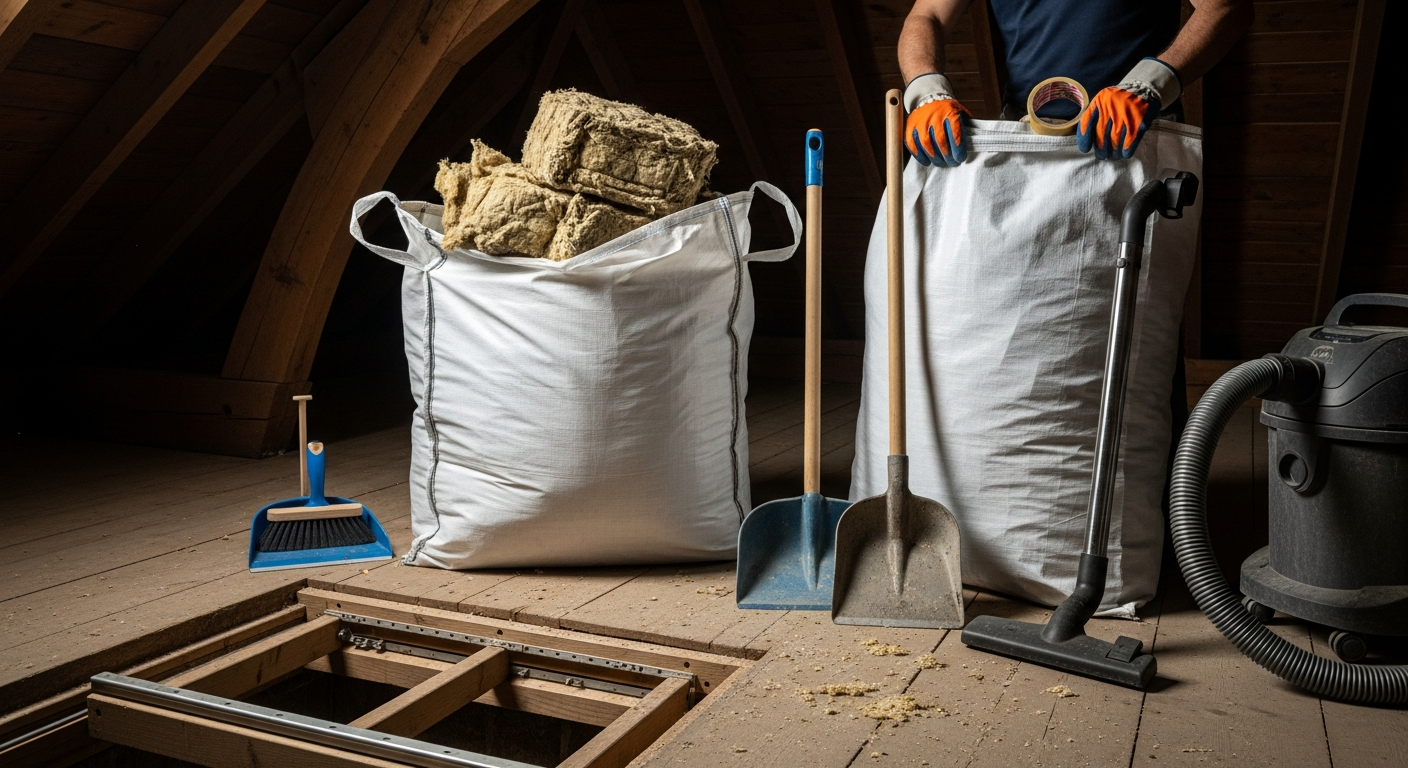
If you decide to proceed with DIY removal, work systematically. Bag materials as you remove them rather than creating large piles that increase the risk of fibre dispersal. Double-bagging provides extra security, particularly for mineral wool materials that can puncture standard waste bags.
For larger projects or when dealing with unknown materials, professional removal services provide peace of mind. We handle the assessment, removal, and disposal process whilst maintaining detailed records for compliance purposes. This approach often proves more cost-effective when you factor in equipment hire, disposal fees, and the value of your time.
Key Takeaways
• Different insulation materials require specific disposal methods—never assume all types can be treated identically • Proper protective equipment is essential for any DIY insulation removal, regardless of the material type • UK waste regulations require licensed disposal routes for most insulation materials, with strict penalties for non-compliance • Professional assessment can identify hazardous materials that require specialist handling before you’re exposed to risk • Documentation of proper disposal protects you legally and demonstrates environmental responsibility
Get Professional Help With Safe Insulation Removal
Don’t take chances with potentially hazardous materials or complex disposal requirements. Our experienced team handles the entire process safely and legally, from initial assessment through to certified disposal. Contact us today for a free survey and quotation for your insulation removal project.
What Our Customers Say
Trusted by homeowners across Nationwide (Based in Southampton) — here's what they have to say.
"Brilliant service from start to finish. The team were professional, tidy, and explained everything clearly. Our energy bills have dropped noticeably since the new insulation went in."
"Had spray foam removed and mineral wool installed. The inspector was thorough and honest about what needed doing. Really impressed with the quality of work."
"We had terrible condensation in our loft. They diagnosed the problem quickly, improved the ventilation, and replaced the old insulation. No more damp and the house is noticeably warmer."
Frequently Asked Questions
No, most insulation materials are classified as construction waste and cannot go in standard household bins. Even small quantities typically require disposal at household waste recycling centres or through licensed waste carriers. Contact your local council for specific guidance on acceptable materials and quantities.
Visual identification of asbestos in insulation is unreliable—many materials look similar. Properties built or renovated before 1980 are more likely to contain asbestos materials. Professional sampling and laboratory testing provide the only definitive answer. Never handle suspected asbestos-containing materials yourself.
DIY disposal involves protective equipment, transportation, and disposal fees that can add up quickly. Professional services include assessment, safe removal, proper disposal, and compliance documentation. For larger quantities or unknown materials, professional removal often proves more economical when you factor in your time and potential risks.
Ready for a Free Survey?
No obligation. We assess your property and provide a detailed quote — usually within 48 hours.